
Sine Wave, Modified Sine, and Square Wave
 |
 |
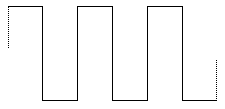 |
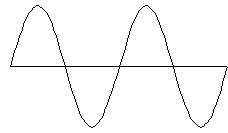
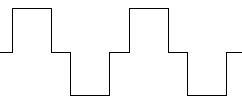
| Sine Wave | Modified Sine Wave | Square Wave |
There are three main types of inverters: Sine Wave, Modified Sine Wave, and Square Wave. Each type varies in waveform, which impacts their performance with different appliances.
1. Sine Wave Inverters
Sine wave inverters produce a smooth, consistent waveform, similar to utility power. They ensure optimal performance for all appliances, especially those with motors (like refrigerators and microwaves). Some devices, such as bread makers and light dimmers, won’t work without a pure sine wave. However, they are more expensive—2 to 3 times the cost of other types.
2. Modified Sine Wave Inverters
Modified sine wave inverters generate a stepped waveform that works with most devices but causes inefficiencies, especially with motorized appliances. Motors may draw up to 20% more power, and some devices like fluorescent lights, timers, and bread makers may not function properly. While more affordable, they offer reduced performance for sensitive electronics.
3. Square Wave Inverters
Square wave inverters are the cheapest but offer very limited functionality. They can power simple devices like tools with universal motors but are unsuitable for most household appliances. These inverters are rarely used today.
Portable Power Station
A Portable Power Station is a compact, all-in-one energy storage system that includes a battery, inverter, and multiple output ports for charging or powering devices. These are ideal for outdoor activities, camping, or emergency backup, providing a convenient way to power electronics and appliances on the go.
Hybrid Inverter
A Hybrid Inverter combines the functions of a solar inverter and a battery inverter. It manages both solar panel energy and battery storage, allowing for off-grid or backup power systems. Hybrid inverters can optimize energy usage by directing power to the grid, batteries, or directly to appliances based on real-time demand and energy availability.
Now that you have a basic understanding of how to choose an inverter, if you have any other questions, feel free to contact us for further consultation. We are happy to assist you and answer any questions you may have. Thank you.
